SEVILLE TOURS & MORE
Tours · atracciones · experiencias · museos · excursiones
🌐 Español ▾
Lo práctico para un viaje sin complicaciones a Sevilla y Andalucía: cómo llegar, cómo moverte, cuándo venir y los pequeños detalles locales que conviene saber.
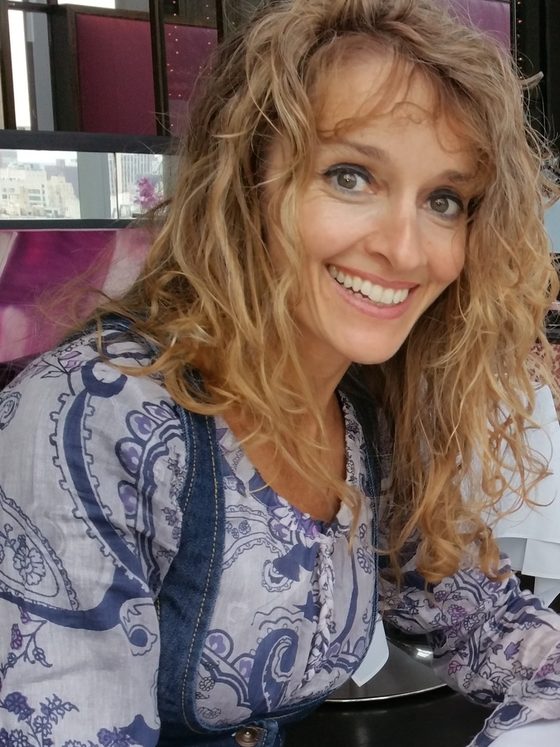
¡Hola! Soy Sofía Reyes Jones, cofundadora de Sevilla Tours & More. Mis amigos me llaman Sofi, y me encantaría que tú también lo hicieras.
Creé Sevilla Tours & More para que fuera la web más grande de su tipo en España —y hoy lo es—, pero, sobre todo, para ser tu destino de confianza para lo que espero sean muchas vueltas a Sevilla y la Andalucía durante años. Reúne más tours, entradas y experiencias que ningún otro lugar de la costa, en un único sitio fiable, con tecnología y detalles pensados para que descubrirlo todo sea divertido, variado y gratificante.
Piensa en este rincón de la web como nuestro pequeño diario de viajes: esas cosas menudas que hacen tan especial la vida de aquí, las que más me gusta compartir. Desde mi chiringuito favorito en Los Boliches, Fuengirola, hasta Casa Lola, la taberna del centro de Sevilla a la que llevo yendo con mis mejores amigos Paqui y Paco desde hace unos quince años. Y si Paqui y Paco te suenan, es porque son los asistentes de viaje con IA de la web, que he creado inspirándome en mis mejores amigos. ¡Y sí, esos son los auténticos Paqui y Paco en el avatar de IA, ahí abajo, en la esquina inferior derecha de tu pantalla!
Esta sección no será estática: como todo diario personal, irá creciendo con el tiempo, a medida que recuerde experiencias pasadas y añada otras nuevas contigo.
Viajar es una de mis grandes pasiones, junto a la música: una vez pasé dos meses visitando veintiuna ciudades en dieciocho países, ¡casi todos los continentes! Y eso fue sólo un viaje. Espero que algo de ese amor se note aquí y ayude a llenar tu viaje de recuerdos muy especiales durante muchos años.
Sevilla de un vistazo — el centro histórico en la orilla este del Guadalquivir, con Triana al otro lado del río, al oeste.
Two to three days covers Seville's essentials — the Real Alcázar, the Cathedral and Giralda, the Santa Cruz quarter, Plaza de España and a long tapas lunch. A third or fourth day lets you slow down for Triana, a river cruise and the Metropol Parasol. With 5–7 days you can add day trips by fast train — Córdoba, Cádiz, Jerez or the Roman ruins of Itálica — and still not run out of things to do.
For a first visit, stay in or near the historic centre so you can walk to everything. Barrio de Santa Cruz — the old Jewish quarter of narrow lanes beside the Alcázar and Cathedral — is the most atmospheric (and most touristy) base. El Centro / Alfalfa, around the Calle Sierpes shopping streets and the Metropol Parasol, puts you in the middle of the action.
El Arenal, between the centre and the river, sits by the Maestranza bullring and the Torre del Oro. Across the Guadalquivir, Triana offers a more local, flamenco-and-ceramics feel with lively riverside bars on Calle Betis. Nervión is the modern business and shopping district near Santa Justa station, while Alameda de Hércules and the Macarena draw a younger, more bohemian crowd with later nightlife.
Seville Airport (SVQ), also known as San Pablo, is about 10 km north-east of the centre, with direct flights from across Spain and Europe. Unlike Madrid or Barcelona, it has no train or metro link, so you arrive by bus, taxi or pre-booked transfer.
The EA (Especial Aeropuerto) bus runs between the airport and the city centre, stopping at Santa Justa station and near the Prado de San Sebastián. A taxi to the centre takes roughly 15–20 minutes at a set airport tariff. Pre-booked private transfers wait in arrivals.
Many visitors arrive instead by high-speed train: the AVE from Madrid-Atocha to Seville-Santa Justa takes about 2½ hours, and fast trains reach Córdoba in roughly 45 minutes. Santa Justa is Seville's only mainline station, about 15 minutes' walk or a short taxi from the centre.
Seville's historic core is flat, compact and very walkable, and much of it is pedestrianised — the Alcázar, Cathedral, Santa Cruz and the river are all within an easy stroll. For longer hops there's a single Metro line (Line 1), the MetroCentro tram that runs through the centre between Plaza Nueva and San Bernardo, and an extensive TUSSAM city bus network.
The Sevici public bike-share and flat, bike-friendly streets make cycling easy, and horse-drawn carriages wait near the Cathedral. One big caveat: in high summer it is often too hot to walk far in the middle of the day, so plan sightseeing for mornings and evenings.
Seville has a hot Mediterranean climate: summers are extremely hot, regularly topping 40 °C in July and August, while winters are mild and bright. The most comfortable months are March to May and October to November, when days are warm and pleasant for sightseeing.
Spring is also the city's peak season because of its two great events: Semana Santa (Holy Week, in March or April) with its solemn processions, and the Feria de Abril about two weeks later, a week of flamenco dresses, horses and fairground casetas. Both are spectacular but mean crowds and much higher hotel prices, so book well ahead or come just outside those dates.
The Real Alcázar uses timed-entry tickets that frequently sell out days or weeks ahead in peak season. Book through the official website as early as you can and choose a specific entry slot; limited free-entry slots are released for late Monday afternoons but still need to be reserved in advance and go quickly.
The Cathedral and Giralda share a combined ticket — the Giralda is climbed by gentle ramps rather than stairs — and are also best booked online to skip the queue. If official tickets are gone for your date, reputable guided tours often hold their own allocation, which can be the easiest way in. Carry ID and have your QR tickets ready on your phone.
Seville claims to be the birthplace of tapas, and bar-hopping from one small plate to the next is the way to eat here. Note that — unlike in Granada — tapas are not free: you order and pay for each. Local favourites include salmorejo (a thick cold tomato cream), espinacas con garbanzos (spinach and chickpeas), pescaíto frito (fried fish), carrillada (slow-cooked pork cheek) and plenty of jamón ibérico.
Wash it down with a cold caña, a tinto de verano, or the dry sherry from nearby Jerez; at the Feria the drink of choice is rebujito. The bitter-orange trees lining the streets are ornamental — their fruit is used for marmalade, not eaten fresh off the branch.
Spain uses the euro (€), and cards and mobile payment are accepted almost everywhere, though it's worth carrying a little cash for small bars and markets. Many shops still close for a midday break in the hottest hours, and meals run late: lunch is the main meal from around 2–3 pm, and dinner rarely starts before 9 pm.
Tipping is modest and optional — rounding up or leaving a little for good service is plenty. The nationwide emergency number is 112, and tap water is safe to drink. A few words of Spanish are always welcomed, even where English is widely spoken.
Algunos rincones favoritos de Sevilla y la Andalucía. Fotos de Sevilla Tours & More y vía Wikimedia Commons. Más música en directo por Sevilla →